Traditionalist Issues
 |
 |
 |
 |
 |
 |
 |
Dialogue Mass - CLXI
Early Support of the Sillon by Some Prelates
At the turn of the century, the Sillon attracted varying degrees of support from Bishops in different parts of France, and even managed, in the initial stages of its existence, to elicit some words of praise from Popes Leo XIII and Pius X. We know this from a collection of pontifical documents, letters and speeches published by Fr. Jean Desgranges who was once a staunch supporter of the Sillon, but broke with Marc Sangnier in 1905. 1 A selection of these documents was reproduced and analysed by Fr. Emmanuel Barbier, among which we note three letters expressing both Leo XIII’s and Pius X’s tentative approval of the Sillon.
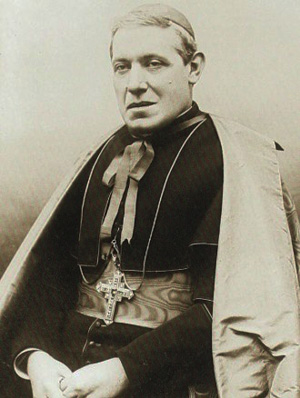 First, a letter of September 1902 addressed directly to Sangnier by Card. Rampolla, Secretary of State for Leo XIII, stated that “His Holiness is greatly pleased by the goal and the tendencies of the Sillon” and that “he gives his heartfelt blessing on the efforts which the members of this organization intend to carry out in order to promote the true Catholic spirit in the heart of society.” 2
One is entitled to ask: How could Pope Leo be “greatly pleased” with an organization that published, as we have seen, a frontal attack on his magisterial teaching in Aeterni Patris, and consider that the serious doctrinal errors of the Sillon could “promote the true Catholic spirit in the heart of society”?
Clearly, there is something amiss with Rampolla’s message, either because it was a cynical intervention on his part to indulge in a spot of highly partisan political campaigning on behalf of the Sillon, or evidence of an equally cynical manipulation of Pope Leo XIII to secure his favor on a movement that did not conform to papal policy on true Democracy. It is more likely that the Pope was not, at that time, in possession of the facts about the true nature of the Sillon. For, this would be support for a Church-sponsored political movement, which was not within the remit of the Pope.
Second, Card. Merry del Val conveyed the approval of Pius X for the organization in a letter of April 1904 to the Bishop of Périgueux, Msgr. Delamaire on the occasion of a Sillon Congress:
 “His Holiness was pleased to encourage the wise initiatives of the Sillon.” 3
But this was a noncommittal statement that avoids saying whether all, some or, indeed, any of the initiatives were wise. The Cardinal, ever the Diplomat, was only speaking speculatively (if imprudently) about the self-declared intentions and goals of the Sillonists and about the presumed future outcome of the Sillon’s activities. There is abundant evidence that Sangnier, in his correspondence with Rome, unfailingly declared his attachment to the Church and his submission to the Hierarchy.
Third, a letter from Rome, written on behalf of the Pope, was addressed to the Cardinal Archbishop of Paris, François-Marie Richard, in February 1905, in anticipation of a Sillon Congress to take place in that city. 4 In it, Card. Richard was urged to set a good example for all the French Bishops by ensuring due respect and filial obedience from the members of the Sillon to his authority. The letter also contained a measure of praise for the many young Catholic followers of the Sillon engaged in good works for the welfare of the people. But it was also a warning shot across the bows for its leadership who were admonished to declare openly at the upcoming Congress their orthodoxy in matters of doctrine and their unity, under ecclesiastical authority, with other social organizations approved by the Bishops. 5
 That, however, was something that Sangnier had always refused to do. With the breath-taking audacity that had come to be associated with his name, he told his followers not to be scared off by the admonition but to continue their fight for Democracy, “blessed and encouraged by the universal Church.” 6 It is evident that he had twisted the Pope’s words of praise, omitting to mention that they were contingent upon the Sillon’s willingness to place itself under the guidance of the French Episcopate. In other words, he spoke as if the approval of all the Bishops had already been achieved before any of the Pope’s stipulations were put into action.
To put the situation into perspective, a survey was carried out among the Episcopate by a French journalist, Albert Monniot, between October and November 1909, to ascertain the opinion of the Bishops on the Sillon. The results were mostly negative. 7 Of the Prelates who responded, 49 (including 11 Archbishops/Cardinals) either forbade their priests to participate in the Sillon, or gave warnings against it, or issued a formal censure. 8
Only a few Bishops, long-time supporters of the Sillon, came to its defence, among whom were counted those who personally accepted the 1905 Law of Separation, or had either been condemned for Modernism or who had already left the Church. 9
Suppression of the Sillon
There is evidence that, by 1907, Pius X was beginning to express frankly negative opinions regarding the Sillon. Msgr. François Gieure, Bishop of Bayonne, on his return from an audience with Pius X, published in his diocesan bulletin a letter to one of his clergy, containing a report of the conversation he had had with the Pope on the subject of the Sillon. Fortunately, we have access to the content of the letter, for the document in question was made available for general readership by Fr. Barbier. The Bishop conveyed the relevant part of the Pope’s message word for word, as follows:
 “I have misgivings about the Sillon. Some of the French Bishops have written to me to ask what I thought of it. I have read the speeches of Marc Sangnier; I have also read some of his articles. I have grave concerns about the whole idea. These young people are going in a wrong direction: Viam sequuntur damnosam [a road leading to harmful consequences]. I do not want priests to join this “Association”; it gives the impression that they are allowing themselves to be guided by lay people, whereas they themselves have been appointed to guide and lead.
“Furthermore, it is a purely lay movement, in no way religious. In short, these young people are pursuing nothing other than a political ideal, while distancing themselves from the Catholic Hierarchy. Priests should have no connection with this movement; give them this advice: Ne dent nomen huic associationi (They must not lend their name to that Association]”. 10
In August 1910, Pius X issued a full and detailed condemnation of the Sillon in the form of a Letter to the French Bishops, entitled Notre Charge Apostolique. This document was in large part made up of complaints and criticisms collected over the years from concerned members of the clergy, among which we can recognize certain phrases and ideas furnished by Frs. Maignen and Barbier mentioned above. The Pope presented his Letter as a work of justice:
“We owe the truth to Our dear sons of the Sillon who are carried away by their generous ardor along a path strewn with errors and dangers. We owe the truth to a large number of seminarians and priests who have been drawn away by the Sillon, 11 if not from the authority, at least from the guidance and influence of the Bishops. We owe it also to the Church in which the Sillon is sowing discord and whose interests it endangers.”
But Loisy, however, who recognized in the Sillon an echo of his own Modernism, and who had already been excommunicated by the same Pope, launched the following broadside against Notre Charge Apostolique:
“Of all the harmful acts perpetrated under the reign of Pius X, the condemnation of the Sillon was the most odious.” 12
Continued

According to Card. Rampolla, above,
Leo XIII praised the Sillon
One is entitled to ask: How could Pope Leo be “greatly pleased” with an organization that published, as we have seen, a frontal attack on his magisterial teaching in Aeterni Patris, and consider that the serious doctrinal errors of the Sillon could “promote the true Catholic spirit in the heart of society”?
Clearly, there is something amiss with Rampolla’s message, either because it was a cynical intervention on his part to indulge in a spot of highly partisan political campaigning on behalf of the Sillon, or evidence of an equally cynical manipulation of Pope Leo XIII to secure his favor on a movement that did not conform to papal policy on true Democracy. It is more likely that the Pope was not, at that time, in possession of the facts about the true nature of the Sillon. For, this would be support for a Church-sponsored political movement, which was not within the remit of the Pope.
Second, Card. Merry del Val conveyed the approval of Pius X for the organization in a letter of April 1904 to the Bishop of Périgueux, Msgr. Delamaire on the occasion of a Sillon Congress:
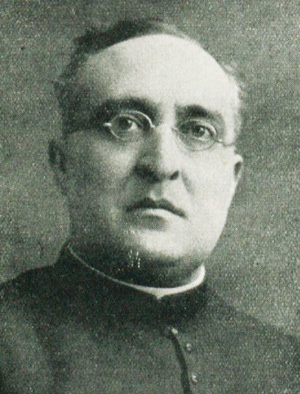
Fr. Jean Desgranges compiled the collection of pontifical documents used in this article
But this was a noncommittal statement that avoids saying whether all, some or, indeed, any of the initiatives were wise. The Cardinal, ever the Diplomat, was only speaking speculatively (if imprudently) about the self-declared intentions and goals of the Sillonists and about the presumed future outcome of the Sillon’s activities. There is abundant evidence that Sangnier, in his correspondence with Rome, unfailingly declared his attachment to the Church and his submission to the Hierarchy.
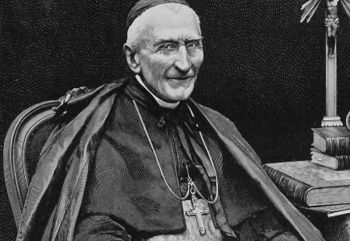
Third, a letter from Rome, written on behalf of the Pope, was addressed to the Cardinal Archbishop of Paris, François-Marie Richard, in February 1905, in anticipation of a Sillon Congress to take place in that city. 4 In it, Card. Richard was urged to set a good example for all the French Bishops by ensuring due respect and filial obedience from the members of the Sillon to his authority. The letter also contained a measure of praise for the many young Catholic followers of the Sillon engaged in good works for the welfare of the people. But it was also a warning shot across the bows for its leadership who were admonished to declare openly at the upcoming Congress their orthodoxy in matters of doctrine and their unity, under ecclesiastical authority, with other social organizations approved by the Bishops. 5
Card. François-Marie Richard both praised the Sillon & issued a light warning against it
To put the situation into perspective, a survey was carried out among the Episcopate by a French journalist, Albert Monniot, between October and November 1909, to ascertain the opinion of the Bishops on the Sillon. The results were mostly negative. 7 Of the Prelates who responded, 49 (including 11 Archbishops/Cardinals) either forbade their priests to participate in the Sillon, or gave warnings against it, or issued a formal censure. 8
Only a few Bishops, long-time supporters of the Sillon, came to its defence, among whom were counted those who personally accepted the 1905 Law of Separation, or had either been condemned for Modernism or who had already left the Church. 9
Suppression of the Sillon
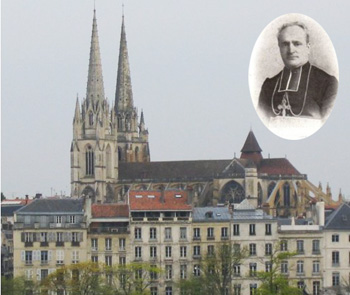
There is evidence that, by 1907, Pius X was beginning to express frankly negative opinions regarding the Sillon. Msgr. François Gieure, Bishop of Bayonne, on his return from an audience with Pius X, published in his diocesan bulletin a letter to one of his clergy, containing a report of the conversation he had had with the Pope on the subject of the Sillon. Fortunately, we have access to the content of the letter, for the document in question was made available for general readership by Fr. Barbier. The Bishop conveyed the relevant part of the Pope’s message word for word, as follows:
Msgr. François Gieure, Bishop of Bayonne, reported the words of St. Pius X on the Sillon
“Furthermore, it is a purely lay movement, in no way religious. In short, these young people are pursuing nothing other than a political ideal, while distancing themselves from the Catholic Hierarchy. Priests should have no connection with this movement; give them this advice: Ne dent nomen huic associationi (They must not lend their name to that Association]”. 10
In August 1910, Pius X issued a full and detailed condemnation of the Sillon in the form of a Letter to the French Bishops, entitled Notre Charge Apostolique. This document was in large part made up of complaints and criticisms collected over the years from concerned members of the clergy, among which we can recognize certain phrases and ideas furnished by Frs. Maignen and Barbier mentioned above. The Pope presented his Letter as a work of justice:
“We owe the truth to Our dear sons of the Sillon who are carried away by their generous ardor along a path strewn with errors and dangers. We owe the truth to a large number of seminarians and priests who have been drawn away by the Sillon, 11 if not from the authority, at least from the guidance and influence of the Bishops. We owe it also to the Church in which the Sillon is sowing discord and whose interests it endangers.”
But Loisy, however, who recognized in the Sillon an echo of his own Modernism, and who had already been excommunicated by the same Pope, launched the following broadside against Notre Charge Apostolique:
“Of all the harmful acts perpetrated under the reign of Pius X, the condemnation of the Sillon was the most odious.” 12
Continued
- Jean Desgranges, Les Vraies Idées du Sillon (The Real Ideas of the Sillon), Limoges: Dumont, 1905, p. 3.
- Emmanuel Barbier, La Décadence du Sillon: Histoire Documentaire (The Decline and Fall of the Sillon: a Documentary History), Paris: Lethielleux, 1908, p. 6.
- Ibid., p. 6.
- Ibid., p. 7.
- Emmanuel Barbier, Les Idées du Sillon: Étude Critique (The Ideas of the Sillon: A Critical Study), Poitiers: Blais & Roy, Paris: Lethielleux, 1905, p. 11.
- Le Sillon, February 25, 1905.
- Albert Monniot, “Le Sillon” devant l'épiscopat, 52 consultations de cardinaux, archevêques et évêques, Paris, 1909.
- N. Ariès, “Le Sillon” et le Mouvement Démocratique, Paris: Nouvelle Librairie Nationale, 1910, p. 212.
- Jean de Fabrègues, Le Sillon de Marc Sangnier: Un Tournant Majeur du Mouvement Catholique (Marc Sangnier’s Sillon: a Major Turning Point in the Catholic Movement), Paris: Perrin, 1964, p. 211.
- E. Barbier, La Décadence du Sillon, pp. 21-22.
- An indication of the large numbers of ecclesiastic supporters of the Sillon throughout France was provided by Fr. Barbier in 1908. He reproduced the lists of annual ecclesiastical subscribers to L’Éveil Démocratique (a popularized version of Le Sillon with an annual circulation of 60,000 copies) for the second half of 1908, using initials in place of the originally published names in order to protect the privacy of the individuals concerned. See E. Barbier, Critique du libéralisme religieux, politique, social, 12 vols., Lille: Desclée, De Brouwer, vol. 1, 1908-1909, pp. 123-127.
- Alfred Loisy, Mémoires pour server à l’histoire religieuse de notre temps, 3 vols., vol. 3, Paris: E. Nourry, 1931, p. 194..
Posted May 29, 2026


______________________
______________________
 Volume I |
 Volume II |
 Volume III |
 Volume IV |
 Volume V |
 Volume VI |
 Volume VII |
 Volume VIII |
 Volume IX |
 Volume X |
 Volume XI |
 Special Edition |