Traditionalist Issues
 |
 |
 |
 |
 |
 |
 |
Dialogue Mass - CLXIV
Revolutionary Purpose of
the ‘Mystical Body of Christ’ Slogan
In 1938, one of the Liturgical Movement’s chief exponents, Fr. Josef Jungmann, SJ, remarked that “the Corpus Christi Mysticum [the Mystical Body of Christ] has become the preferred doctrine of an entire generation. Today we understand what the expression ‘the Holy Church’ really means.”1
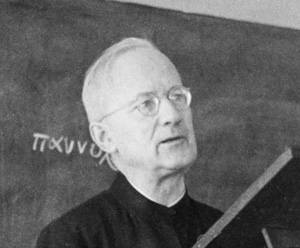 In order to understand the meaning encrypted in this passage – which was clear, however, to progressivist reformers of the time – some explanation is needed. It was a common progressivist trope that, for centuries up to then, lay Catholics as a whole were unaware that that they could attain to holiness of life, and that, therefore, a whole paradigm shift in theology was needed to inculcate into them the possibility of their achieving sanctity.
This was just a myth invented by the reformers, an example of “fake news” alleging that the Clergy had stolen the limelight of sanctity for themselves and refused to recognize holiness in the laity. But that piece of propaganda would hardly convince any member of the faithful who was familiar with the Faith; any pre-Vatican II Catholic worthy of the name knew that one of the purposes of the Mass was precisely for the sanctification of the faithful.
Another tall tale put forward by Jungmann to justify radical reform in the Church was the accusation that the Church was thought to consist only of the Clergy, and that the laity had been cast into outer darkness. In his view, the theology of the Mystical Body of Christ was needed to emphasize that the laity were also part of the Church:
“One no longer views the Church as a hierarchical association which, as such, stands aloof from each individual Christian, but one has become aware of the fact that the Church is, above all else, the community of the faithful, a living, compact and dynamic environment, enveloping each and all.” 2
 Looking from the perspective of hindsight, we can see that this was a subtle attack on the divinely-willed two-tier Constitution of the Church., explicated as recently as the beginning of the 20th century by St. Pius X. Jungmann was writing from the modernist perspective endemic in the Liturgical Movement which sought to “bridge the gap” between the Clergy and laity, and replace the essential distinction between them with the idea of a “community” of all the baptized, all enjoying equal rights to active involvement in the Church’s liturgy, government and administration.
It would be difficult to find a liturgical leader who did not adopt an outlook attributable to Marxist, class-based politics in urging the necessity of a liturgical revolution. We will quote as a prime example of this diseased mentality the opinion of Fr. Aidan Kavanagh, OSB:
“A passive laity at Mass reflected a view of the Church as a temporal state made of active “aristocracies” over passive, even disenfranchised, lower classes, the whole governed by laws interpreted by lawyers. There was little room for mystery, and beauty was disregarded. The Clergy possessed the official liturgy approved by lawful authority; the laity attended without much, if any, participation, occupying themselves by reciting the Rosary or with other devotions that the lawyers made clear were not liturgy because they were not contained in the officially approved books issued by Rome with papal assent.” 3
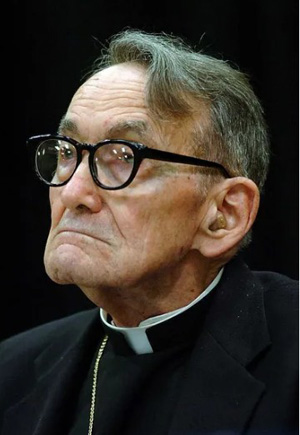 Another high-profile supporter of the Liturgical Establishment, Card. Avery Dulles, SJ, explained that, in the minds of the reformers, this paradigm was revolutionary because it was intended to replace the so-called juridical model of a monarchical society based on a rule-bound Constitution and a governing body, which had characterized the Church for centuries. 4 His anti-hierarchical bias can be seen in the positive assessment he made of the “democratic” nature of Lumen gentium which saw the Church’s mission in the world as one of “service rather than domination,” i.e., rule. 5
But, on the contrary, there was nothing democratic about the implementation of either the Liturgical Movement or Vatican II. They were both the product of an elite band of reformers, mainly academics, imposing a top-down revolution on the unwitting Catholic population to change not only the content of the Faith, but the way it had been practised for centuries.
Their pretext was to uphold the so-called “rights” of the laity to take over and exercise functions which had hitherto been the exclusive privilege of the Clergy. The end in mind was Ecumenism, Collegiality and Religious Liberty, which would be formally approved at Vatican II.
Political engagement subverted ministerial priesthood
Before proceeding with a more detailed analysis of the situation, it would be helpful to provide a brief exposition of the context in which clerical political activity was regarded by the Church. Canon Law explicitly forbade priests to hold public office or to participate in political activities that are unbecoming to their clerical state, emphasizing their spiritual duties over political engagement. Pope Pius X pointed out the dangers to which such members of the clergy expose themselves:
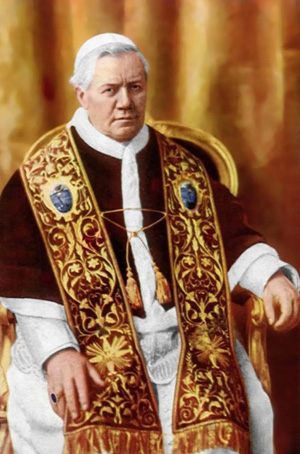 “They may attach such importance to the material interests of the people that they will forget those more important duties of the sacred ministry.” (Il Fermo Proposito, 1905, § 24)
Fundamentally, it was because it leads priests into an anomalous situation: the service of two masters. For politically involved priests, the overwhelming temptation is to allow secular affairs to override spiritual considerations largely because the pressure of concrete circumstances leads them to extol the natural and active virtues over the supernatural and contemplative ones. How this scenario impacted on the Liturgical Movement is obvious for all to see. Everyone actively participating in the liturgy was expected to be equally active in social life for the achievement of “Social Justice” understood in terms of Left-wing politics.
What is of real concern is not that the reformers held private opinions about social and economic issues, but that they all operated in the name of the Catholic Church to spread their ideas by means of the liturgy and to create a consensus among the Catholics population.
In particular, they launched a blanket condemnation of the free-market principles of Capitalism as the world’s greatest evil. But capitalist principles, provided they maintained their links with moral rectitude and charity, were not regarded by the Church as harmful to the common good.
It is often overlooked that the Church has no mandate to preach a specific economic model (for example Distributism or co-operatives) as part and parcel of her authentic teaching role and to demand the assent of the faithful. Yet that is exactly what certain Catholic Action priests involved in the Liturgical Movement were advocating in conjunction with like-minded members of lay activist groups.
Furthermore, if the Church were to identify herself with a political party or a particular ideology, she would lose her credibility as the voice of moral authority. Even more seriously, the unity of the Church is bound to be undermined when priests become involved in partisan politics and the faithful become divided among themselves in the name of the Catholic Religion.
We are now living through the legacy of spiritual chaos created by decades of liturgical reforms and promoted by Vatican II. It is undeniable that the reformed liturgy has been captured by political and social issues alien to Catholicism which, as a consequence, have created factions and divisions within the Catholic population. We can identify the main areas of polarization caused by the influx of secular ideas into the liturgy – sacred and profane; active and contemplative, clerical and lay; traditional and progressivist; male and female; rich and poor.
Continued

Jungmann pitted the laity against the Clergy blaming the latter’s monopoly on holiness
This was just a myth invented by the reformers, an example of “fake news” alleging that the Clergy had stolen the limelight of sanctity for themselves and refused to recognize holiness in the laity. But that piece of propaganda would hardly convince any member of the faithful who was familiar with the Faith; any pre-Vatican II Catholic worthy of the name knew that one of the purposes of the Mass was precisely for the sanctification of the faithful.
Another tall tale put forward by Jungmann to justify radical reform in the Church was the accusation that the Church was thought to consist only of the Clergy, and that the laity had been cast into outer darkness. In his view, the theology of the Mystical Body of Christ was needed to emphasize that the laity were also part of the Church:
“One no longer views the Church as a hierarchical association which, as such, stands aloof from each individual Christian, but one has become aware of the fact that the Church is, above all else, the community of the faithful, a living, compact and dynamic environment, enveloping each and all.” 2
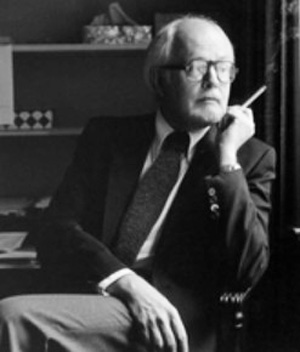
Fr. Aidan Kavanagh: The Church lacked any place for mystery & beauty...
It would be difficult to find a liturgical leader who did not adopt an outlook attributable to Marxist, class-based politics in urging the necessity of a liturgical revolution. We will quote as a prime example of this diseased mentality the opinion of Fr. Aidan Kavanagh, OSB:
“A passive laity at Mass reflected a view of the Church as a temporal state made of active “aristocracies” over passive, even disenfranchised, lower classes, the whole governed by laws interpreted by lawyers. There was little room for mystery, and beauty was disregarded. The Clergy possessed the official liturgy approved by lawful authority; the laity attended without much, if any, participation, occupying themselves by reciting the Rosary or with other devotions that the lawyers made clear were not liturgy because they were not contained in the officially approved books issued by Rome with papal assent.” 3
Card. Avery Dulles opposed the monarchical structure of the Catholic Church
But, on the contrary, there was nothing democratic about the implementation of either the Liturgical Movement or Vatican II. They were both the product of an elite band of reformers, mainly academics, imposing a top-down revolution on the unwitting Catholic population to change not only the content of the Faith, but the way it had been practised for centuries.
Their pretext was to uphold the so-called “rights” of the laity to take over and exercise functions which had hitherto been the exclusive privilege of the Clergy. The end in mind was Ecumenism, Collegiality and Religious Liberty, which would be formally approved at Vatican II.
Political engagement subverted ministerial priesthood
Before proceeding with a more detailed analysis of the situation, it would be helpful to provide a brief exposition of the context in which clerical political activity was regarded by the Church. Canon Law explicitly forbade priests to hold public office or to participate in political activities that are unbecoming to their clerical state, emphasizing their spiritual duties over political engagement. Pope Pius X pointed out the dangers to which such members of the clergy expose themselves:
If priests enter politics they forget their spiritual duties to souls
Fundamentally, it was because it leads priests into an anomalous situation: the service of two masters. For politically involved priests, the overwhelming temptation is to allow secular affairs to override spiritual considerations largely because the pressure of concrete circumstances leads them to extol the natural and active virtues over the supernatural and contemplative ones. How this scenario impacted on the Liturgical Movement is obvious for all to see. Everyone actively participating in the liturgy was expected to be equally active in social life for the achievement of “Social Justice” understood in terms of Left-wing politics.
What is of real concern is not that the reformers held private opinions about social and economic issues, but that they all operated in the name of the Catholic Church to spread their ideas by means of the liturgy and to create a consensus among the Catholics population.
In particular, they launched a blanket condemnation of the free-market principles of Capitalism as the world’s greatest evil. But capitalist principles, provided they maintained their links with moral rectitude and charity, were not regarded by the Church as harmful to the common good.
It is often overlooked that the Church has no mandate to preach a specific economic model (for example Distributism or co-operatives) as part and parcel of her authentic teaching role and to demand the assent of the faithful. Yet that is exactly what certain Catholic Action priests involved in the Liturgical Movement were advocating in conjunction with like-minded members of lay activist groups.
Furthermore, if the Church were to identify herself with a political party or a particular ideology, she would lose her credibility as the voice of moral authority. Even more seriously, the unity of the Church is bound to be undermined when priests become involved in partisan politics and the faithful become divided among themselves in the name of the Catholic Religion.
We are now living through the legacy of spiritual chaos created by decades of liturgical reforms and promoted by Vatican II. It is undeniable that the reformed liturgy has been captured by political and social issues alien to Catholicism which, as a consequence, have created factions and divisions within the Catholic population. We can identify the main areas of polarization caused by the influx of secular ideas into the liturgy – sacred and profane; active and contemplative, clerical and lay; traditional and progressivist; male and female; rich and poor.
Continued
- Josef Jungmann, ‘L’Église dans la vie religieuse d’aujourd’hui’ (The Church in the Religious Life of Today), Nouvelle Revue Théologique, vol. 65, 1938, p. 1035.
- Ibid., p. 1036.
- Aidan Kavanagh, Introduction to Odo Casel, The Mystery of Christian Worship and other writings, New York: Herder and Herder, Crossroads Publishing Company, 1999, pp. vii-viii.
- Avery Dulles, Models of the Church, New York: Doubleday, Random House Books, 2002, p. 34.
- A. Dulles, ‘Introduction to Lumen Gentium’, Walter M. Abbott and Joseph Gallagher, The Documents of Vatican II, Chicago: Association Press, 1966, p.12.
Posted August 10, 2026


______________________
______________________
 Volume I |
 Volume II |
 Volume III |
 Volume IV |
 Volume V |
 Volume VI |
 Volume VII |
 Volume VIII |
 Volume IX |
 Volume X |
 Volume XI |
 Special Edition |